Bystronic Logo

Application matrix

Bystronic Laser Applications Begin With the Part Constraint

Industry labels are useful only when they reveal a production requirement. The grid connects a typical pressure to a review path; it does not claim that one setting, power level, or automation scheme transfers unchanged between plants.

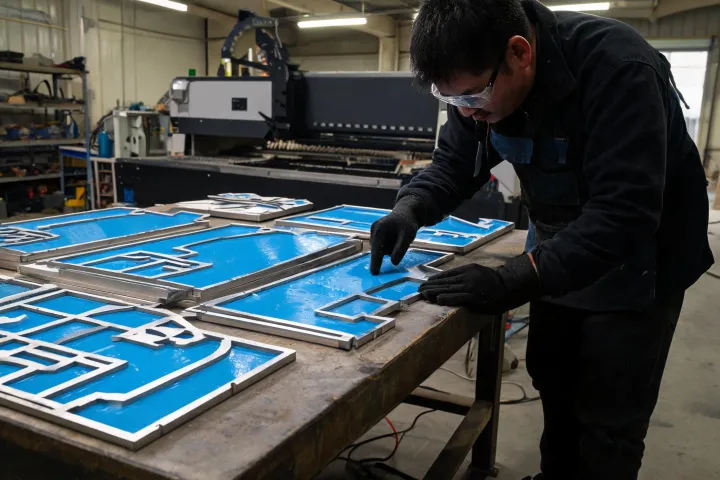
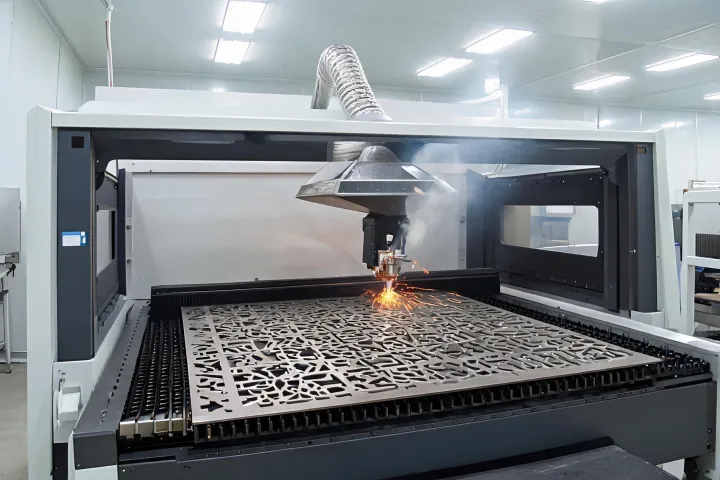
Fiber laser cutting nested sheet metal parts
Sheet metal

Mixed work without losing revision control

Pressure: frequent material, thickness, and drawing changes create setup risk. Review path: group the job mix, define nozzle and gas controls, preserve program revisions, and measure completed good parts across a representative shift.
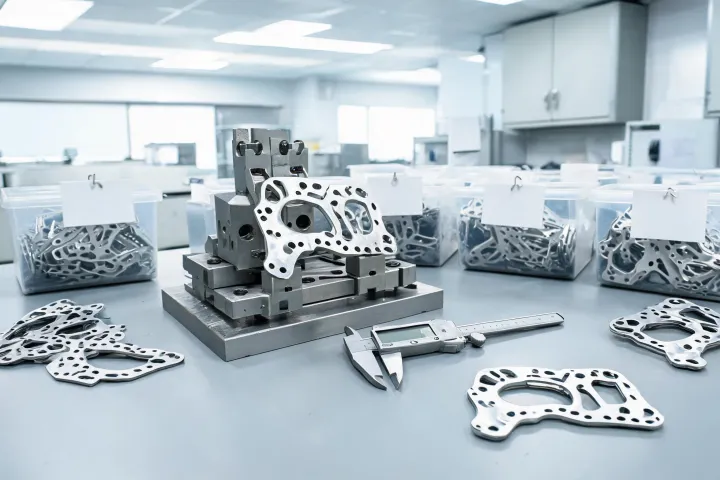
Laser-cut mobility brackets at inspection station
Mobility

Repeatability across released part families

Pressure: dimensional, traceability, and downstream forming requirements must survive lot changes. Review path: link material certificates, program versions, cut-edge criteria, first-off inspection, and containment rules.

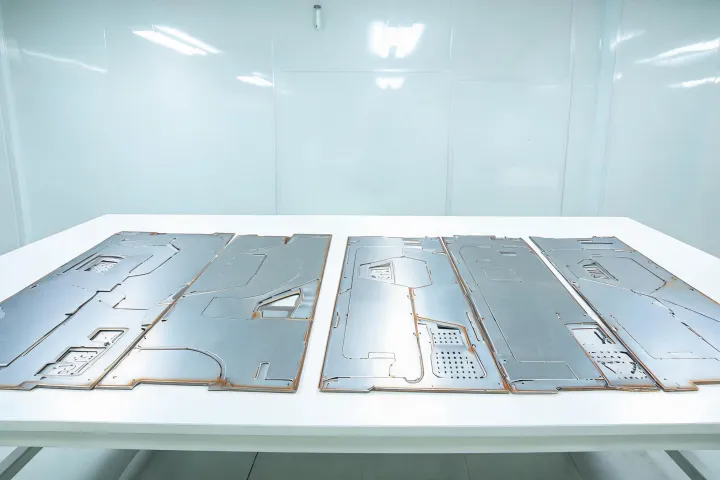
Thin aerospace sheet components after laser cutting
Aerospace supply

Process evidence for sensitive alloys

Pressure: alloy behavior, heat input, taper, and documentation can be more important than headline speed. Review path: approve material-specific trials, record gas and optics condition, and align the inspection method before production release.

Laser-cut stainless signage panels in fabrication
Signage and architectural metal

Visible edges and protected surfaces

Pressure: cosmetic surfaces expose scratches, heat tint, dross, and handling damage. Review path: include protective film behavior, pierce location, gas choice, handling sequence, and the finish standard in the sample plan.

Method trade-offs

Match the process under declared conditions

Fiber-laser cutting is often evaluated against CO2 laser, plasma, punching, sawing, or outsourced processing. No route wins every case. Thickness mix, edge requirement, geometry, heat sensitivity, capital use, gas cost, operator skill, and downstream work determine the defensible choice.

DecisionFiber-laser reviewAlternative-path reviewEvidence to collect
Thin sheet detailStudy contour speed, piercing, and heat inputPunching may suit repeated forms and integrated featuresGood-part cycle and feature inspection
Thick plateQualify power, gas, edge, and dross by alloyPlasma or outsourced cutting may change cost balanceCut samples, gas use, cleanup time
Reflective materialConfirm source and cutting-head suitabilityOther processes may avoid optical riskSupplier-approved material trial
Unattended operationValidate loading, separation, sorting, and recoveryManual flow may fit volatile job mixesFull-shift event and labor log

Performance boundary

Published thickness or speed figures do not establish acceptable edge quality on every grade, coating, geometry, or gas condition.

Environmental boundary

Extraction, ambient temperature, humidity, power quality, gas purity, floor condition, and network stability influence the installed process.

Economic boundary

Higher source power can expose bottlenecks in loading, sorting, bending, deburring, inspection, or sales demand instead of increasing shipped output.

Representative application trial

Put the hardest acceptance condition in the sample set.

A useful trial includes the actual alloy, coating, thickness range, smallest feature, demanding contour, visible edge, downstream operation, and required inspection method. It also records setup time, interruptions, and consumed gas rather than reporting head motion alone.